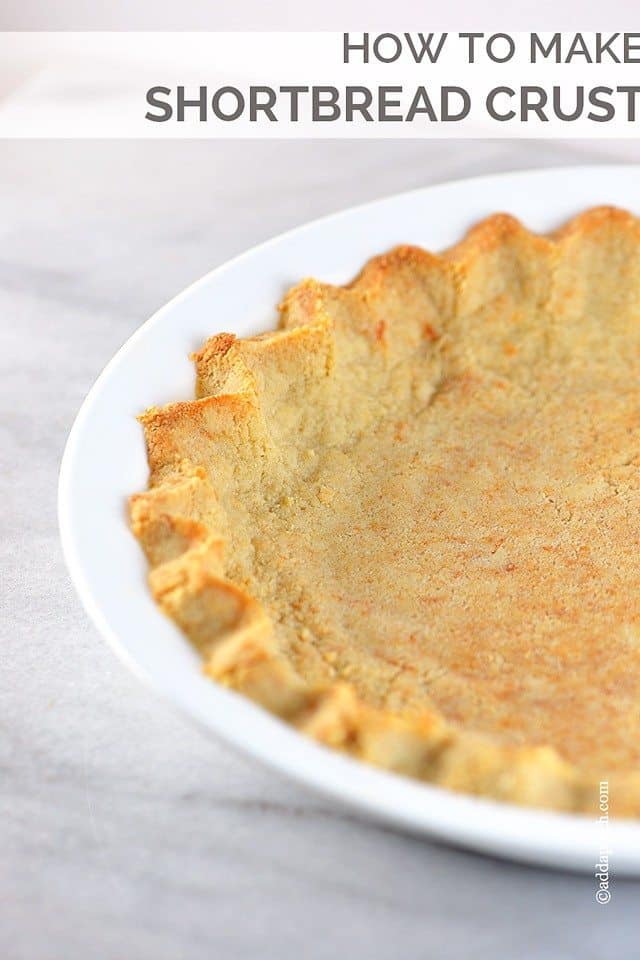
Ingredient Shortbread Crust: Easy & Versatile for Any Dessert
Imagine a dessert base that's effortlessly elegant, rich with buttery flavor, and boasts a tender, crumbly texture that melts in your mouth. You're thinking of the classic shortbread crust! This culinary gem is more than just a foundation; it's a star in its own right, elevating everything from vibrant fruit tarts to decadent cheesecakes and sturdy dessert bars. Hailing from the picturesque landscapes of Scotland, traditional shortbread has always championed simplicity, typically relying on just three core ingredients: flour, butter, and sugar. It’s this pure, unadulterated combination that creates a flavor profile unmatched by other crusts.
If you're looking for a reliable, delicious, and incredibly adaptable mastering shortbread crust: tips for perfect pies, tarts & bars, you've come to the right place. In this comprehensive guide, we'll dive deep into crafting the perfect shortbread crust recipe, sharing expert tips, delightful variations, and answering all your burning questions. Get ready to transform your desserts from good to unforgettable!
The Timeless Appeal of Shortbread Crust
The allure of shortbread crust lies in its beautiful simplicity and profound flavor. Unlike flaky pie crusts or crumbly graham cracker bases, shortbread offers a unique richness and a finely textured crumb that is both sturdy enough to hold substantial fillings and delicate enough to dissolve delightfully on the palate. This balance makes it an ideal canvas for a vast array of sweet creations.
Historically, shortbread was a luxury, its buttery richness a testament to its premium ingredients. Today, while still considered a treat, it's accessible to every home baker. The magic truly happens when quality butter, finely milled flour, and just the right amount of sugar are combined. The result is a crust that provides not just structural integrity but also a depth of flavor that complements almost any filling without overpowering it. Whether you opt for a baked or no-bake shortbread crust your go-to dessert base, its versatility is unmatched.
Your Go-To Shortbread Crust Recipe: Ingredients & Instructions
While the essence of shortbread is three ingredients, our perfected shortbread crust recipe adds a few subtle enhancements to ensure optimal flavor and texture for your dessert base. This version is designed to be tender, slightly crumbly, and wonderfully buttery.
Ingredients:
- 1 cup (2 sticks or 226g) unsalted butter, at room temperature
- ½ cup (100g) granulated sugar
- ¼ cup (30g) powdered sugar (confectioners' sugar) – This addition helps create a wonderfully tender, almost melt-in-your-mouth texture by hindering gluten development.
- 2 cups (240g) all-purpose flour
- ¼ teaspoon salt – Essential for balancing the sweetness and enhancing the buttery notes.
- 1 teaspoon vanilla extract (optional, but highly recommended for added warmth)
- ½ cup (50g) finely chopped nuts (e.g., pecans, walnuts, almonds) (optional, for extra crunch and flavor)
Instructions:
- Step 1: Prepare Your Workspace and Ingredients
Ensure your butter is truly at room temperature – soft enough to indent easily but not melted or greasy. Preheat your oven to 350°F (175°C). If using a tart pan with a removable bottom, lightly grease it. For pie dishes or square baking pans, a light greasing or parchment paper sling is usually sufficient.
- Step 2: Cream the Butter and Sugars
In a large mixing bowl, combine the room-temperature butter, granulated sugar, and powdered sugar. Using an electric mixer (handheld or stand mixer with a paddle attachment), beat on medium speed for 3-4 minutes until the mixture is visibly lightened in color and fluffy. This aeration process is crucial for the crust’s tender texture.
- Step 3: Incorporate Dry Ingredients
Reduce mixer speed to low. Gradually add the all-purpose flour and salt to the butter mixture, mixing only until just combined. Overmixing at this stage can develop gluten, leading to a tough crust. If using vanilla extract or chopped nuts, fold them in now until evenly distributed. The dough should come together but still have a slightly crumbly appearance.
- Step 4: Form the Crust
Transfer the crumbly dough into your prepared tart pan, pie dish, or baking dish. Using the bottom of a flat measuring cup or your fingers, press the dough firmly and evenly into the bottom and slightly up the sides (if applicable) of the pan. Aim for a consistent thickness throughout to ensure even baking. A smooth, well-compacted base is key.
- Step 5: Chill (Optional, but Recommended)
For a more defined shape and to minimize shrinkage during baking, place the pan with the pressed dough into the refrigerator for 15-20 minutes. This allows the butter to firm up.
- Step 6: Bake the Crust
Bake in your preheated oven for 20-25 minutes, or until the edges are lightly golden brown. Keep an eye on it to prevent over-browning. The crust will firm up further as it cools. If you plan to use this as a base for a no-bake filling (like a no-bake cheesecake), allow the crust to cool completely in the pan on a wire rack before adding your filling. For recipes requiring a baked filling, you can proceed as directed once the crust is slightly cooled.
Mastering Your Shortbread Crust: Tips, Tricks & Flavor Variations
Essential Tips for Success:
- Room Temperature Butter is Non-Negotiable: This isn't just a suggestion! Soft, room-temperature butter creams beautifully with sugar, incorporating air and creating a light, tender crumb. Cold butter won't cream properly, and melted butter will result in a greasy, dense crust.
- Don't Overmix the Dough: Once the flour is added, mix only until just combined. Excessive mixing develops gluten in the flour, which leads to a tough, chewy crust instead of the desired tender, crumbly texture.
- Chilling is Your Friend: A brief chill (15-20 minutes) before baking helps the butter solidify, which minimizes spreading and shrinking during baking, resulting in a neater, more stable crust.
- Press Evenly for Consistent Results: Whether using your fingers or the bottom of a measuring cup, ensure the dough is pressed into a uniform thickness across the bottom and up the sides. This guarantees even baking and a consistent texture in every bite.
- Consider Blind Baking for Wet Fillings: While often sturdy enough, if your filling is particularly wet or requires a long bake, a quick blind bake (baking the crust empty, often with pie weights, for a short period) can prevent a soggy bottom.
Creative Flavor Variations:
The beauty of this shortbread crust recipe is its adaptability. Don't hesitate to experiment!
- Nutty Infusion: Incorporate finely ground nuts like pecans, walnuts, almonds, or even pistachios for added crunch and depth of flavor, as suggested in our recipe.
- Citrus Zest: Add 1-2 teaspoons of finely grated lemon, orange, or lime zest to the butter-sugar mixture for a bright, aromatic lift.
- Spiced Delight: Mix in ½ - 1 teaspoon of ground cinnamon, cardamom, ginger, or a pumpkin pie spice blend for a warm, fragrant crust perfect for autumn desserts.
- Chocolate Lover's Dream: Substitute ¼ cup of the all-purpose flour with unsweetened cocoa powder for a rich chocolate shortbread crust.
- Extract Experiments: Beyond vanilla, try almond extract for a marzipan-like note, coconut extract, or even a touch of peppermint extract for holiday treats.
Versatile Applications:
This single shortbread crust recipe can be the foundation for countless desserts:
- Cheesecakes: A classic pairing, its buttery richness perfectly complements creamy cheesecake fillings.
- Tarts: Ideal for fruit tarts, chocolate ganache tarts, lemon meringue tarts, or delicate custard tarts.
- Bars: From zesty lemon bars and gooey pecan bars to layered millionaire's shortbread, this crust provides the perfect sturdy yet tender base.
- Pies: A fantastic alternative to traditional pie crusts for fruit pies, cream pies, or even ice cream pies.
- Individual Desserts: Press into muffin tins for mini tarts or cheesecake bites.
Common Questions About Shortbread Crust
Q: Can I make this shortbread crust recipe ahead of time?
A: Absolutely! The unbaked dough can be covered and refrigerated for up to 3 days, or frozen for up to 3 months. Thaw frozen dough in the refrigerator before pressing into a pan. A baked, cooled crust can also be wrapped tightly and stored at room temperature for 2-3 days, or frozen for up to 1 month.
Q: Why is my shortbread crust tough or hard?
A: The most common culprits are overmixing the dough once the flour is added, or using too much flour. Ensure you measure flour accurately (preferably by weight) and mix only until just combined. Also, ensure your butter is at room temperature to prevent overworking the dough.
Q: Can I make a gluten-free shortbread crust?
A: Yes! You can substitute the all-purpose flour with a good quality 1:1 gluten-free baking flour blend that contains xanthan gum. The method remains the same.
Q: What's the difference between shortbread and graham cracker crust?
A: Shortbread crust is made from a buttery dough (flour, butter, sugar) that is pressed and baked, offering a rich, cookie-like flavor and fine crumb. Graham cracker crust is typically made from crushed graham cracker crumbs mixed with melted butter and sugar, resulting in a lighter, slightly drier texture with a distinct honey-graham flavor. Both are delicious but offer very different profiles.
Q: My crust shrunk in the oven. How can I prevent this?
A: Shrinkage often occurs if the butter is too warm when it goes into the oven or if the dough was overworked. Chilling the dough in the pan for 15-20 minutes before baking helps firm up the butter and relaxes the gluten, significantly reducing shrinkage. Avoid stretching the dough too much when pressing it into the pan.
Conclusion
The shortbread crust is a testament to the power of simple, quality ingredients. Its rich, buttery flavor and delicate crumb offer an unparalleled foundation for an endless array of desserts. By following this comprehensive shortbread crust recipe and incorporating our expert tips, you're not just baking a crust; you're crafting a versatile and delicious base that will elevate any sweet creation you envision. So roll up your sleeves, gather your ingredients, and get ready to impress with this essential and incredibly easy shortbread crust recipe. Happy baking!
