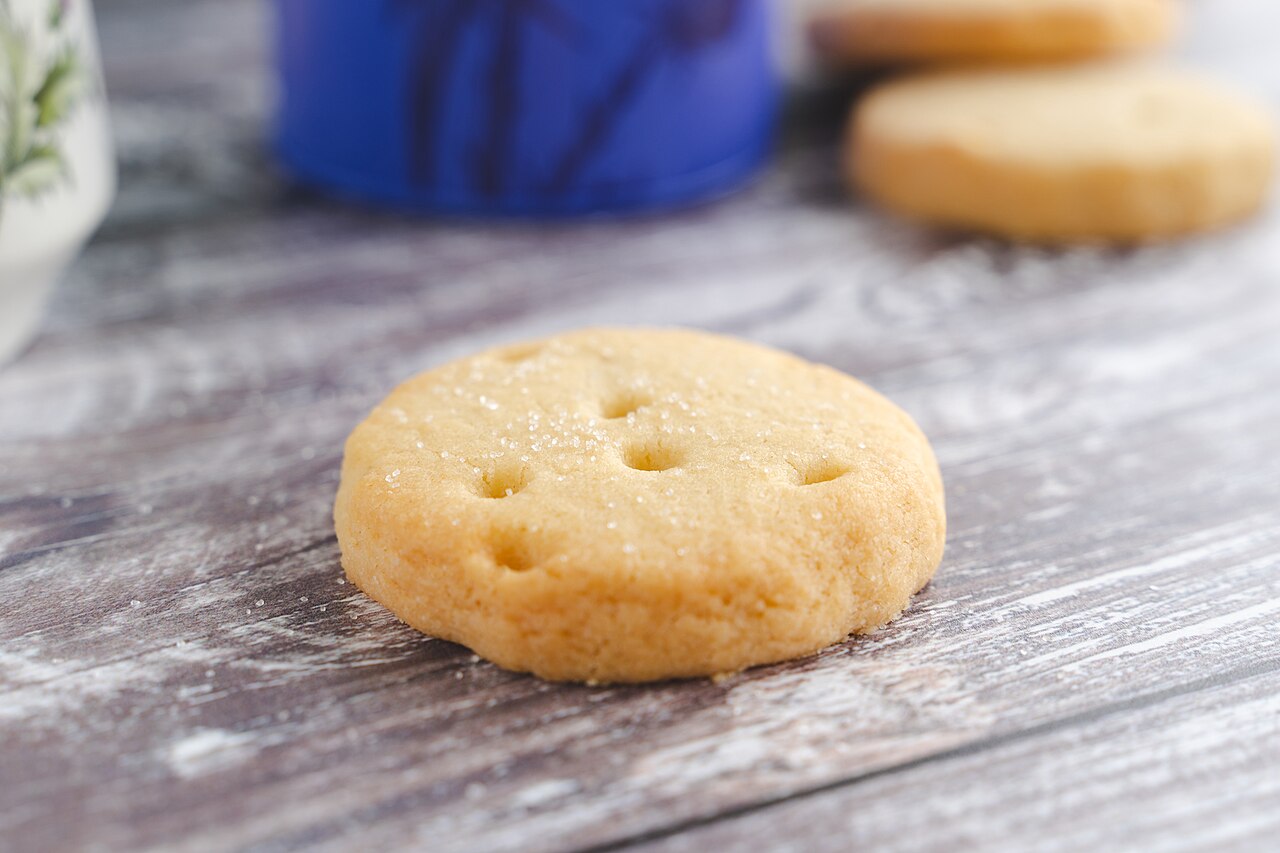
Baked or No-Bake Shortbread Crust: Your Go-To Dessert Base
Few dessert bases offer the comforting familiarity and versatile elegance of a perfectly crafted shortbread crust. Whether you're dreaming of a creamy cheesecake, a vibrant fruit tart, or a rich chocolate bar, a well-made
shortbread crust recipe provides an unparalleled foundation. Hailing from the Scottish Highlands, traditional shortbread has always been celebrated for its simple yet exquisite blend of butter, sugar, and flour, resulting in a distinctively rich, buttery flavor and a delightful, tender crumb.
In this comprehensive guide, we'll delve into the art of making this beloved crust, exploring the nuances of both baked and truly no-bake methods. We'll share expert tips, creative variations, and answer common questions to help you master this essential component of countless delicious desserts.
The Enduring Appeal of Shortbread Crust
What makes shortbread so special? Its allure lies in its simplicity and the magic that happens when three humble ingredients—butter, sugar, and flour—come together. The high butter content not only imbues the crust with an irresistible richness but also contributes to its signature crumbly texture that practically melts in your mouth. Unlike many pie crusts that require intricate handling, shortbread dough is forgiving and straightforward, making it a favorite for bakers of all skill levels.
A truly great
shortbread crust elevates any dessert it cradles, providing a delicate counterpoint to sweet, tart, or creamy fillings. Its robust structure holds up beautifully, whether baked again with a filling or serving as a sturdy base for a no-bake creation.
Baked vs. No-Bake: Choosing Your Shortbread Path
The choice between a baked and a no-bake approach often depends on your desired texture, the type of filling, and simply, time. While the traditional
shortbread crust recipe involves baking, there are excellent ways to adapt it or use it as a base for no-bake fillings.
Crafting the Perfect Baked Shortbread Crust: A Step-by-Step Guide
The classic baked shortbread crust offers the deepest buttery flavor and that quintessential crumbly texture. It's ideal for pies, tarts, and bars where the crust is an integral part of the overall baked dessert.
Ingredients You'll Need:
* 1 cup (2 sticks) unsalted butter, at room temperature (crucial for texture!)
* 1/2 cup granulated sugar
* 1/4 cup powdered sugar (confectioners' sugar)
* 2 cups all-purpose flour
* 1/4 teaspoon salt
* 1 teaspoon vanilla extract (optional, but highly recommended for depth)
* 1/2 cup finely chopped pecans or walnuts (optional, for added crunch and flavor)
Instructions for a Flawless Baked Crust:
1.
Prepare for Success: Ensure your butter has softened to room temperature – it should be pliable but not melted. This allows it to cream beautifully with the sugars. Preheat your oven to 350°F (175°C). Lightly grease your chosen 9-inch tart pan, pie dish, or 9x13-inch baking dish.
2.
Cream the Butter and Sugars: In a large mixing bowl, combine the room-temperature butter with both granulated and powdered sugars. Using an electric mixer on medium speed, beat until the mixture is light, fluffy, and pale yellow, typically 3-4 minutes. The powdered sugar contributes to a more tender, melt-in-your-mouth crust.
3.
Incorporate Dry Ingredients: Gradually add the all-purpose flour and salt to the butter mixture, mixing on low speed just until they are combined and no streaks of flour remain. If you're using vanilla extract or chopped nuts, gently fold them in at this stage. Be careful not to overmix; overworking the dough can develop the gluten in the flour, leading to a tough rather than tender crust. The dough should still be slightly crumbly but hold together when pressed.
4.
Form the Crust: Transfer the dough to your prepared pan. Using your fingers or the bottom of a flat measuring cup, press the dough evenly into the bottom and up the sides (if making a pie or tart crust). Aim for uniform thickness to ensure even baking. For a more professional finish and to prevent shrinking, you can chill the pressed dough in the refrigerator for 15-20 minutes before baking.
5.
Bake to Perfection: Bake in your preheated oven for 20-25 minutes, or until the edges are lightly golden brown. The center might still look slightly pale, but it will firm up as it cools.
6.
Cool Completely: This step is paramount. If you're using your baked shortbread crust for a no-bake filling (like a no-bake cheesecake), allow it to cool completely on a wire rack before adding any ingredients. For recipes with baked fillings, you can proceed as directed, often pouring the filling into the warm crust.
The Truly No-Bake Shortbread Crust: A Speedy Alternative
While the recipe above describes a *baked* crust that can hold *no-bake fillings*, there's also a popular method for a truly *no-bake* shortbread-style crust. This typically involves using pre-made shortbread cookies or biscuits, offering a fantastic shortcut for when you want a quick dessert with minimal fuss and no oven required.
Ingredients for a No-Bake Shortbread Cookie Crust:
* 2 cups (about 10-12 ounces) crushed shortbread cookies (or digestive biscuits, graham crackers for a similar effect)
* 1/2 cup (1 stick) unsalted butter, melted
Instructions:
1.
Crush the Cookies: Place your shortbread cookies in a food processor and pulse until fine crumbs form. Alternatively, place them in a zip-top bag and crush with a rolling pin.
2.
Combine and Press: In a medium bowl, combine the crushed shortbread crumbs with the melted butter. Mix well until all crumbs are moistened.
3.
Form and Chill: Press the mixture firmly and evenly into the bottom of your chosen pie dish, tart pan, or springform pan. Use the back of a spoon or a flat-bottomed glass to get an even, compact layer.
4.
Chill to Set: Refrigerate for at least 30 minutes, or until firm, before adding your no-bake filling. This allows the butter to solidify and bind the crumbs, creating a stable crust.
This
no-bake shortbread crust is perfect for cheesecakes, ice cream pies, or anything that benefits from a quick, firm base without turning on the oven. While it won't have the exact same texture as a baked shortbread crust, it offers a delicious, buttery flavor that complements many desserts beautifully.
Elevating Your Desserts: Fillings and Flavor Variations
The beauty of a
shortbread crust lies in its versatility. It's a blank canvas for an array of fillings and flavor enhancements.
Perfect Pairings:
*
Cheesecakes: A baked shortbread crust is a dream base for both classic and
no-bake cheesecakes. Its buttery richness complements the creamy tang of cheesecake beautifully.
*
Tarts: Fill with fresh fruit and pastry cream for an elegant fruit tart, or a rich chocolate ganache for an indulgent treat.
*
Dessert Bars: From zesty lemon bars to gooey pecan bars, the sturdy yet tender nature of shortbread provides the perfect counterpoint to a sweet, often sticky, topping.
*
Pies: While less common than traditional pastry, a shortbread pie crust can add a unique dimension to fruit pies, custards, or chocolate cream pies.
Creative Variations:
*
Nutty Delights: As mentioned in our recipe, adding finely chopped pecans, walnuts, or almonds introduces a wonderful crunch and depth of flavor.
*
Citrus Zest: Grate in the zest of a lemon, orange, or lime into the dough for a bright, aromatic twist that pairs exceptionally well with fruit fillings.
*
Spiced Crust: A pinch of cinnamon, nutmeg, or even cardamom can transform the flavor profile, making it ideal for autumnal or holiday desserts.
*
Chocolate Infusion: Substitute a tablespoon or two of flour with cocoa powder for a delicate chocolate
shortbread cookie crust – perfect for chocolate-based fillings.
*
Vanilla Bean: For an extra touch of gourmet elegance, scrape the seeds from half a vanilla bean into your butter and sugar mixture.
Troubleshooting & Expert Tips for Your Shortbread Masterpiece
Achieving a perfect
shortbread crust is simpler than you think, especially with a few expert tips:
*
Room Temperature Butter is Non-Negotiable: This is arguably the most critical tip. Butter that is too cold won't cream properly, leading to a dense crust. Butter that's too warm or melted will make a greasy, flat dough. It should be soft enough to leave an indentation when pressed, but still cool to the touch.
*
Do Not Overmix: Once you add the flour, mix only until just combined. Overmixing develops gluten, resulting in a tough, chewy crust instead of a tender, crumbly one.
*
Press Evenly and Firmly: This ensures a consistent bake and prevents crumbling when sliced. A flat-bottomed measuring cup is your best friend here.
*
Consider Chilling: For a crisper, more defined edge and to minimize shrinking during baking, chill your pressed dough in the pan for 15-20 minutes before it goes into the oven.
*
Blind Baking (Rarely Needed for Shortbread): Shortbread is naturally less prone to getting soggy than traditional pie crusts. However, if your filling is exceptionally wet and requires a very crisp base, a brief blind bake (without weights) before adding the filling can be beneficial. Generally, this
isn't necessary for shortbread.
*
Cool Completely: Patience is a virtue! Allowing the crust to cool fully before adding fillings, especially for no-bake recipes, prevents melting or a soggy bottom.
The
shortbread crust recipe is a testament to the fact that sometimes, the simplest ingredients yield the most extraordinary results. Whether you opt for the deep, buttery comfort of a baked crust or the quick convenience of a no-bake variation, you're setting the stage for a dessert that will delight. So, roll up your sleeves, gather your ingredients, and prepare to create a truly delicious foundation for your next culinary adventure.